Overlay Sales Functions Are Becoming Essential in Media & Sports Tech

The Growing Importance of Overlay Sales Roles in Broadcast, Sports and Media Technology

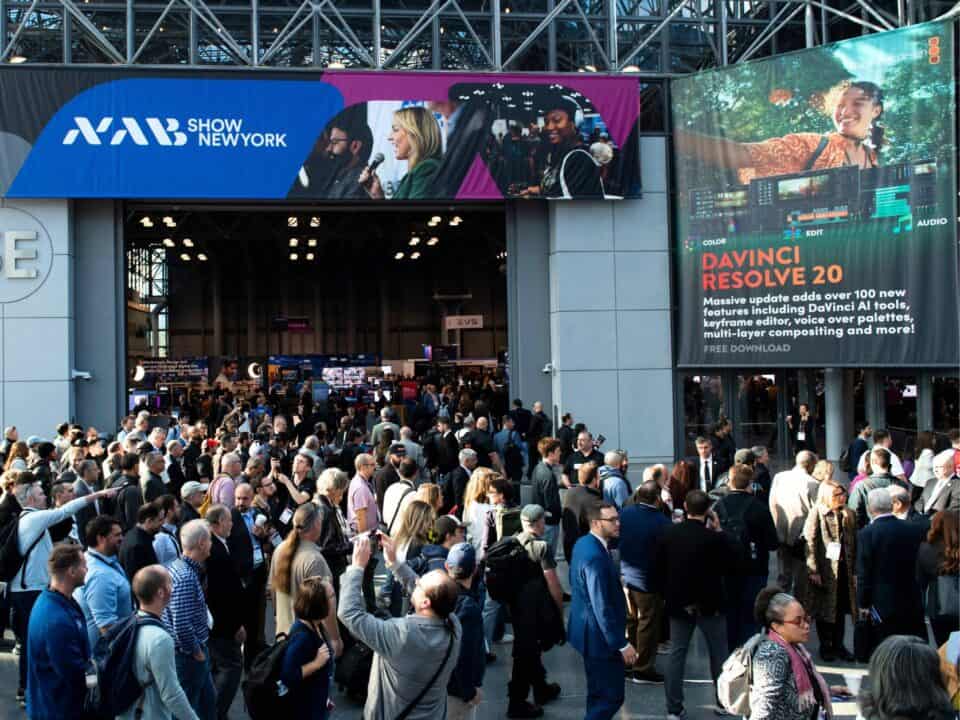
One of the biggest themes emerging from conversations across the media and sports technology industry, particularly at events like NAB 2026 and MPTS, is the growing importance of overlay sales functions.

As technology ecosystems become more connected and solution-led, traditional regional sales structures are evolving. Vendors are no longer selling single-point products into clearly defined workflows. Instead, organisations are delivering broader platforms that combine cloud infrastructure, IP workflows, orchestration, monitoring, SaaS capabilities and managed services. As a result, buying journeys are becoming more technical, consultative and cross-functional.

This shift is driving increased demand for overlay sales professionals who can bridge the gap between product expertise, commercial strategy and customer workflow conversations.


What Is an Overlay Sales Function?

An overlay sales role typically focuses on a specialist product area or strategic solution rather than a geographic territory. These individuals often work closely with account executives, solutions engineers, channel partners and leadership teams to support complex opportunities and ensure key technologies receive focused commercial attention.

In media and sports technology, these roles are becoming increasingly important as vendors expand beyond traditional hardware offerings into software, cloud and workflow-based solutions.


Why Media Technology Sales Strategies Are Changing

What makes these roles increasingly valuable is the changing nature of customer conversations. In sports and media technology especially, organisations are no longer simply investing in hardware. Buyers are evaluating long-term workflows, infrastructure strategies and operational transformation. This requires a more consultative approach, with customers expecting vendors to understand technical environments as well as commercial outcomes.

At the same time, many of the industry’s key growth areas sit within more complex technology categories. Technologies such as IP infrastructure, cloud production, ST 2110, SaaS workflows and managed services often involve longer sales cycles, multiple stakeholders and greater integration requirements than traditional broadcast products.

Traditional Revenue AreasStrategic Growth Areas
SDI infrastructureIP and cloud workflows
Hardware solutionsSaaS and services
Baseband systemsST 2110 and IPMX
Broadcast engineeringIT and network convergence

Overlay functions are increasingly helping organisations navigate this transition by providing deeper workflow expertise and supporting strategic customer engagement earlier in the sales process.


The Convergence of Broadcast, AV and Enterprise IT

Another major factor influencing this trend is the continued convergence between broadcast, AV and enterprise IT. A modern stadium, venue or live production deployment may now involve broadcast engineers, IT teams, AV integrators, operations leadership and cloud specialists all within the same project.

As environments become more interconnected, organisations are placing greater value on commercial professionals who can confidently navigate technical and operational discussions across multiple stakeholder groups.

This is particularly relevant within:

  • Live production
  • Sports broadcasting
  • IP migration projects
  • Venue technology deployments
  • Cloud-based media workflows

Why Overlay Sales Roles Are Becoming More Strategic

We are also seeing increased focus on partner ecosystems. Systems integrators, consultants and managed service providers are playing a larger role in complex infrastructure projects, particularly around venue builds, REMI production and IP migration initiatives.

Overlay functions often support these relationships by helping align technical messaging, workflow education and go-to-market strategy across partner networks.

From a commercial perspective, overlay structures can help organisations improve visibility around strategic product lines, strengthen customer credibility and support broader platform selling initiatives. Rather than focusing on individual products, many vendors are now positioning integrated workflows and end-to-end ecosystems, making specialist commercial support increasingly important.


The Future of Sales in Sports and Media Technology

Like any evolving structure, success depends on clear alignment internally. The most effective overlay models are highly collaborative, working alongside regional sales teams to elevate customer engagement and accelerate strategic growth areas.

What is clear from ongoing market conversations is that the role of the modern sales organisation within media technology is changing. As workflows become more sophisticated and technology stacks continue to converge, the ability to combine commercial expertise with technical understanding is becoming a significant differentiator.

Overlay sales functions are quickly moving from being a specialist addition to becoming a core part of how media and sports technology businesses scale complex solutions globally.


Looking to Hire Commercial Talent in Media Technology?

At neuco, we work closely with organisations across media, broadcast and sports technology to help build high-performing commercial teams that can support increasingly complex technology environments.

Whether you are hiring overlay sales specialists, solutions-focused commercial leaders or building broader go-to-market functions, we would be happy to support the conversation.

📩 hello@neuco-group.com

9 Media & Sports Technology Companies to Watch in Q2 2026

The Media & Sports Technology landscape continues to move at pace, with broadcasters, streaming platforms, rights holders and vendors all adapting to changing audience behaviours and increasingly complex production demands.

Each quarter, our team at neuco looks across the market to identify the companies we feel are generating the most interesting momentum. That can come through product innovation, strategic partnerships, leadership moves, expansion into new markets or simply the wider conversations we’re hearing from the industry itself.

From AI-powered production tools and cloud-native workflows to remote production, IP infrastructure and content monetisation, the market continues to evolve rapidly and these are some of the businesses that have particularly caught our attention heading into Q2 2026.

As always, this is subjective. There are many companies doing exceptional work across the media ecosystem, but based on our conversations and market exposure, these are the names we believe are worth keeping an eye on this quarter.

The Q2 2026 Companies to Watch

With AI, cloud workflows and live production transformation continuing to shape the market, these are the companies we feel are worth watching closely this quarter.


Qvest

A global systems integrator and consulting partner, Qvest is sharpening its strategic direction through leadership and regional expansion.

The appointment of Thorsten Sauer as CEO signals a renewed focus on scaling advisory and delivery capabilities. Alongside this, the expansion of its MENA sales team strengthens proximity to key clients in one of the industry’s fastest-growing markets.

Together, these developments reflect a clear ambition to deepen customer engagement while supporting increasingly complex transformation programmes across broadcast, OTT and enterprise media environments.


Appear

Appear continues to push the boundaries of live production infrastructure through a series of product innovations and high-profile deployments.

Enhancements to its X Platform and the introduction of Appear Hub are enabling more flexible and scalable IP workflows. Involvement in major live events, including NBC Sports’ winter coverage, alongside partnerships with LTN and advancements in YouTube live delivery, underline its growing influence across the market.

Combined with a strengthened executive team, Appear is positioning itself as a key technology partner for broadcasters looking for low-latency, high-performance video transport.


NAGRAVISION

NAGRAVISION is continuing to strengthen its position in content protection and streaming security through a combination of commercial growth and strategic partnerships.

Strong annual results demonstrate continued demand for its solutions, while collaborations with the English Football League are tackling the growing challenge of live sports piracy. Expanded deployments of TVKey Cloud with OSN and Samsung are also accelerating secure content delivery across connected TV ecosystems.

These developments highlight NAGRAVISION’s ability to balance innovation with commercial execution across an increasingly fragmented and competitive content landscape.


LiveU

LiveU is advancing its role in IP-video contribution and cloud production with a clear focus on AI-enabled performance and workflow flexibility.

Its LiveU IQ solution has supported connectivity optimisation during major global sporting events, helping deliver reliable transmission in dynamic environments. Collaboration with ITVX on cloud production for digital-first content also demonstrates expansion beyond traditional broadcast models.

Alongside this, growing adoption within public safety applications signals diversification into mission-critical communications, positioning LiveU at the intersection of media, cloud and real-time data delivery.


Riedel

Riedel continues to expand its global footprint while investing in leadership and innovation across live production technologies.

The appointment of Jan Schaffner to lead the Americas business supports wider regional growth ambitions, complemented by expansion into emerging markets such as Kuala Lumpur. Its presence at major industry events, including VISAR 2025, showcases ongoing developments in real-time signal distribution and decentralised production workflows.

Together, these moves reinforce Riedel’s position as a trusted partner for complex, large-scale live event and broadcast environments.


Lawo

Lawo is entering a new phase of growth following the appointment of Jamie Dunn as CEO, signalling a fresh strategic direction for the business.

The company continues to demonstrate the strength of its IP-based solutions, with successful deployment of its S12 platform across live production environments. These implementations highlight the scalability and flexibility of its AoIP architecture, supporting more efficient and distributed workflows.

As broadcasters increasingly transition towards software-defined infrastructure, Lawo appears well positioned to support that evolution with proven, high-performance technologies.


Synamedia

Synamedia is strengthening its position in cloud video delivery through continued enhancements to its Gravity platform and strategic content partnerships.

New capabilities in Wi-Fi diagnostics and device intelligence are improving both user experience and operational visibility. At the same time, collaborations with Pitch International and A-Sport are supporting scalable, cloud-based distribution of premium sports content, including major football competitions.

These initiatives demonstrate Synamedia’s ability to combine analytics, delivery and monetisation in ways that support broadcasters and rights holders navigating an increasingly competitive streaming market.


Vizrt

Vizrt is continuing to expand beyond traditional broadcast through AI-driven production tools and enhanced audience engagement capabilities.

Its integration of augmented reality functionality within platforms such as Zoom is enabling more immersive corporate communications, while the launch of new sports production bundles is simplifying access to advanced workflows across different customer segments.

By combining real-time graphics, automation and cloud-native technologies, Vizrt is helping organisations deliver more engaging and efficient content experiences across both media and enterprise environments.


Fonn Group

Fonn Group continues to scale its cloud-native media technology ecosystem through strategic hires and partnerships.

The appointment of Andy Newton strengthens leadership across its portfolio, supporting growth ambitions for both its Mimir and Saga platforms. Partnership activity with Netorium is also enhancing the delivery of integrated, cloud-based media workflows, helping customers manage content more efficiently across distributed environments.

As demand for flexible and scalable media infrastructure continues to rise, Fonn Group is positioning itself as an important enabler of next-generation content management and production workflows.


Final Thoughts

The shift towards cloud infrastructure, software-defined workflows, AI-assisted production and more personalised viewer experiences continues to reshape the Media & Sports Technology sector at every level.

What stands out across all of these companies is the ability to adapt to changing operational demands while continuing to innovate around scalability, latency, automation and audience engagement. Whether through live production, streaming delivery, cybersecurity or workflow orchestration, each business is contributing to a broader transformation happening across the industry.

Of course, there are many other organisations driving meaningful change across the space, and this list reflects the companies that have particularly stood out to our team during Q2 2026.

If your business is building something exciting across broadcast, streaming, sports technology or content delivery, we’d love to hear more. Feel free to reach out to the team at hello@neuco-group.com.

Article brought to you by neuco, global specialists in recruitment and executive search across Media, Sports Technology and Content & Broadcast.

Sports Broadcasting Leadership & Technology: Insights from SVG Europe Football Summit 2026

By William Trenchard, Director & Co-founder of neucospecialist global recruiter in content, media and broadcast.

I spent Thursday, the 26th of February, at the SVG Europe Football Summit in Liverpool. It was a full house throughout the day, which in itself says something about the direction of our industry.

Sports broadcasting is not standing still. It is accelerating.

What struck me most, however, was not just the scale of technological change, but the emphasis on leadership and responsibility that underpins it.

Leadership in an AI-driven era

The SVGE Women workshop on developing female leaders in sports broadcasting was one of the most compelling sessions of the day.

There was a clear focus on practical leadership. The workshop discussed communication under pressure, handling bias with professionalism and building confidence in live environments where scrutiny is immediate and unforgiving. It was thoughtful, honest and refreshingly direct.

In a market preoccupied with AI, automation and remote workflows, it was a timely reminder that our industry remains fundamentally people-led.

Technology may optimise production, but it does not replace judgement. It does not build culture. It does not mentor the next generation.

The organisations that will thrive are those investing in both innovation and inclusive leadership. The two are not mutually exclusive. In fact, they are increasingly interdependent.

Photo from SVG Europe Football Summit 2026 Gallery

World Cup 2026: scale with accountability

The preview of the 2026 FIFA World Cup offered genuine insight into the operational complexity of delivering 104 matches across 16 host cities in three countries.

The scale is unprecedented.

What stood out was the deliberate focus on sustainability and efficiency, which included reducing travel demands, rethinking infrastructure, leveraging remote production and IP-based workflows to balance cost control with broadcast quality. 

Major tournaments often act as proving grounds. The workflows and production models implemented at World Cup level tend to filter into domestic leagues and international competitions shortly afterwards.

What we are witnessing is not simply bigger production, it is smarter production.

The evolving production model

Across the afternoon, recurring themes emerged:

  • Remote production is now embedded, not experimental
  • AI and data are reshaping storytelling and fan engagement
  • Expanded camera formats and immersive coverage are redefining match direction
  • Rights fragmentation continues to drive strategic and technical change

Yet behind every workflow diagram and data model sits one constant challenge: alignment.

Engineering, editorial, operations and commercial teams must operate cohesively. Scaling live coverage, deploying AI tools, and building direct-to-consumer platforms require integrated leadership and specialist talent.

From a neuco perspective, this is where the conversation becomes critical. As production environments become more complex, the demand for leaders who can bridge technology and operations is intensifying.

The value of proximity

Events like this also reinforce something more traditional. This industry remains deeply relational. 

Despite digital transformation, decisions are still influenced by trust, reputation and shared experience. Being in the room still matters.

The Summit offered a rare look behind the scenes of football broadcasting at the highest level. Not just the innovation, but the operational realities and leadership demands that make it possible.

For those of us operating in sports video and media broadcasting, it was a reminder that progress is not solely defined by new tools. It is defined by the calibre of people implementing them.

A genuinely insightful day, and one that reaffirmed how much thoughtful change is happening beneath the surface of what audiences see on match day.


neuco is a specialist global executive recruiter in the content, media and broadcast industry. We work with some of the most ambitious organisations in sports video, production and broadcast to find the leaders who make a difference.

NAB Show New York 2025: Innovation, Integration and the Rise of the Creator Economy

Last week, NAB Show New York 2025 brought together over 11,500 professionals from across the media, entertainment, and technology industries. With more than 260 exhibitors and sponsors, the event provided a detailed look at how the industry is evolving across content creation, delivery and monetisation.

Here are a few key takeaways:

Technology Innovation
Cloud-native infrastructure continues to be front and centre. Avid debuted its Content Core platform in the US, a new cloud-based system combining AI, automation and remote editing into a single workflow. Matrox introduced the Avio 2, a KVM extender using IPMX/ST 2110, supporting secure, low-latency 4K60 video workflows.

IP production and 4K technology also saw strong representation. KOKUSAI DENKI Electric launched a cost-efficient 4K studio camera, and Matrox demonstrated multiple new IPMX converters and encoders to support modern uncompressed and compressed workflows.

Backblaze also drew attention with their research into hidden costs in cloud storage, highlighting the need for pricing transparency in post-production environments.

Artificial Intelligence and Editorial Responsibility
AI-powered tools were everywhere, from workflow automation to metadata tagging and post-production editing. However, conversations led by CNN’s Brian Stelter, Oliver Darcy, and Sara Fischer stressed the importance of editorial integrity and audience trust in an AI-driven world. The consensus was that AI can support journalism, but it cannot replace sound editorial judgement.

Fan-Driven Sports Media
From Genius Sports to U.S. Soccer and TOGETHXR, a consistent message came through: sports broadcasting is now shaped as much by fans as by networks. Personalised, interactive content is now an expectation, not a luxury. Real-time data integration and social media engagement are becoming essential parts of the modern sports media toolkit.

Strategic Partnerships and Mergers & Acquisitions Activity

Key commercial announcements made headlines:

  • Imagine Communications confirmed its acquisition of Pixel Power to enhance its playout and graphics capabilities
  • Zixi and Heartland Video Systems partnered to improve IP-based live video contribution
  • Open Broadcast Systems and Tulix unveiled a full-service streaming workflow designed to bridge traditional encoding and OTT delivery

These partnerships are part of a wider industry trend towards scalable, integrated technology stacks.

The Creator Economy in Focus
Sessions dedicated to independent creators reflected just how much the creator economy is influencing media strategy. From TikTok livestream commerce to content monetisation panels, it was clear that creators are now an established force in the media ecosystem, not just disruptors.

What We Can Take From the Show!
From cloud-based production and IP-native infrastructure to AI tools and fan-first sports experiences, NAB New York 2025 showed just how quickly the industry is moving. Companies like Matrox, Zixi, Backblaze, Genius Sports, Blackmagic and Rohde & Schwarz played central roles in showing where things are heading.

How neuco Can Help

If your organisation is scaling in this space, or if you’re interested in discussing how to attract the right talent in a changing media and broadcast landscape, get in touch. We’d love to talk.

Contact us at: hello@neuco-group.com

CV Tips for Senior & Executive Professionals

From the team at neuco

When operating at a senior or executive level, your CV isn’t just a summary of your experience – it’s a strategic document that should reflect your leadership impact, vision, and the measurable value you’ve delivered. At neuco, we regularly support senior-level talent in positioning themselves effectively for global opportunities, and we’ve compiled these high-level recommendations to help refine and elevate your CV.

Prioritise Relevance

At this stage in your career, it’s not about listing everything – it’s about what matters most to the roles you’re targeting. Strip out early-career positions or unrelated part-time work unless they offer significant, transferable value.

Tip: Focus on your last 3-4 roles, ensuring they demonstrate scope, progression, and impact.

Show Your Impact – Tangibly

Data drives decisions. Whether it’s revenue growth, cost-saving initiatives, or successful turnarounds, back your achievements with numbers wherever possible.

For example:
“Led a team of 50+ across three regions, delivering 23% YoY revenue growth.”
“Reduced operational costs by 18% through supply chain restructuring.”

Make Your Contribution Clear

If a team delivered a major initiative, clarify your individual contribution. What role did you play in its success? What decisions did you lead? What roadblocks did you remove?

Recruiters and boards want to understand your unique leadership style and capabilities.

Tailor for Strategic Alignment

Your CV should reflect where you’re going – not just where you’ve been. Tailor it subtly for each opportunity, emphasising alignment with the organisation’s challenges, sector, and objectives.

Particularly if you have a hybrid background, tailor your CV to focus on and highlight the most relevant experience to the opportunity you are applying for.

Structure for Readability

Even the most experienced professionals can benefit from a clean, modern CV layout.

  • Stick to 1–3 pages
  • Use a clear hierarchy: Company | Role | Dates
  • Highlight promotions and internal progression
  • Keep role descriptions short and focus on key tangible achievements
  • Include a short executive summary at the top
  • Avoid over-styled formatting – keep it professional and easy to digest

File Format: PDF only
Hyperlinks: Ensure they work (LinkedIn, portfolio, publications)

Context Is Key

For global or niche-sector experience, offer context.
For example:

  • Was the company pre/post-IPO?
  • Was your division a new launch or a turnaround?
  • Were you leading through M&A, restructuring, or scale-up?

This is especially important when the company is lesser known or has undergone an acquisition or rebranding.

Consider Regional Differences

If applying internationally, be mindful of CV norms:

  • Photos and addresses may be standard in parts of Europe
  • UK/US CVs typically exclude these
  • We’re happy to advise on formatting and expectations by region

Be Honest About Contract Work or Gaps

One of the most common concerns we have from hiring managers is around candidates appearing ‘jumpy’, so where relevant, be sure to add in the context for role changes.

If you’ve held interim or consultancy roles, state this clearly. Similarly, if the company has been acquired, or you left during a transition period, add a line of explanation to avoid assumptions.

Need Help Refining Your CV?

neuco specialises in global executive search across Satellite & NewSpace, Connectivity, Content & Media, and Cyber Security. If you’re considering your next move or want a confidential review of your CV, reach out. We’d be happy to help!

Email us at hello@neuco-group.com

Skills First: The Smarter Way to Scale Your Team

Across Satellite & NewSpace, Connectivity, Cyber Security and Content & Media, the companies staying competitive are the ones hiring for impact AND personality

Building a future-ready team requires more than soft skills; they alone won’t drive success. If someone can “communicate well” but cannot deliver results, what value do they bring?

We engage with industry leaders daily, and we can confidently say that trends are shifting. Here are our tips for staying ahead of the curve in hiring.

Sourcing:

Hiring is not just about who interviews best; it’s about who can build, secure, deploy, and optimise. In short, these are the skills that drive progress. The strongest teams consist of problem-solvers, not passengers. Recruiting with this perspective is guaranteed to help you in the long term and is more of a strategic move to optimise talent within your business.

Training:

It may seem obvious that development should be practical and relevant, yet this principle is often overlooked. Time is money, which means we should avoid generic e-learning and vague “leadership development” programs. Instead, we should focus on providing individuals with tools they can use, technology they will engage with, and skills they need both now and in the coming months.

Micro-learning, cross-training, and hands-on coaching are far more effective than theoretical approaches.

Retention:

People stay where they are energised, challenged, trusted, and delivering.  If you’re offering clear paths for skill development, progression, and high-impact work? You’re already ahead of most.

When you’re ‘pitching’ your company, don’t just talk about culture, prove it through action, opportunity, and recognition.

Attrition:

Exits rarely come out of nowhere. If you’re missing milestones, flatlining development, or are unopen to ideas and inflexible, you’re in trouble. Give people new challenges before they ask for them elsewhere.

Upskilling:

42% of core skills are expected to shift this year. The talent pool won’t magically adapt, but your current team can. Offer real upskilling, certifications, team skill-swaps, and hands-on projects. Regular assessments to spot strengths and gaps will not only help empower your employees to develop but will increase innovation and ideas for your business.

Forward-thinking companies are growing their own experts. And it’s working.

Remote work:

Hybrid and remote work had roots way before COVID and it’s here to stay, but the fundamentals haven’t changed. Connection matters. Metrics matter. Keep teams close and aligned with clear expectations and measurable outputs, then let people deliver wherever and however they work best.

Culture: Build it around delivery

The best cultures don’t protect underperformance; they elevate high standards. You want a place where trust, feedback and accountability are normal. Where ambitions welcomed, not watered down. That’s how great people stay and how teams get better.

In summary

Tangible skills win, focused training sticks, and clarity, accountability, and opportunity keep people engaged.

Want to build future-ready teams? Build around what works.

At neuco, we help companies find and grow the talent that delivers across some of the most exciting, competitive tech sectors in the world. Let’s talk.

Reflections from NAB Show 2025 – Industry Optimism, Tariff Wobbles & Talent Trends

After our annual trip to NAB in Las Vegas, we’re back with full notebooks, sore feet, and plenty of thoughts about where the industry’s headed.

First off, the general vibe this year? Really positive. Compared to last year, there was a noticeable lift in energy. Almost everyone we met seemed genuinely pleased with the volume—and more importantly, the quality—of their customer meetings. Always a good sign, though of course the real test is what happens in the weeks and months after the show.

That said, visitor numbers were definitely lighter—Sunday in particular felt pretty quiet. Still, there was a decent geographic spread. We saw strong representation from EMEA and APAC, but overall, it felt like a more North American-focused event than in previous years. Perhaps a reflection of tighter travel budgets or evolving post-pandemic strategies, and likely a trend that will continue.

A recurring topic of conversation was tariffs—and how they might impact the broadcast and media tech space. Views varied wildly. Some were unfazed—“we’re a software business, we’ll be fine”—while others were genuinely concerned. Our view? The direct impact may be minimal for most, but it’s the hit to confidence and decision-making that could have the biggest effect. When investment slows, the whole industry feels it.

Encouragingly, there was still a lot of talk about growth. Despite the macroeconomic backdrop, companies are revising strategies, exploring new markets, and broadening their video capabilities. That’s not just good news—it’s essential for keeping momentum going. A clear direction of travel for many is moving into new areas of video beyond the traditional broadcasters, operators, and content owners. The Enterprise space came up repeatedly, and we fully expect more companies to expand their reach into that world.

Naturally, consolidation was a topic too. The vendor landscape continues to shift, and while that’s nothing new, it always brings both opportunity and uncertainty. In times like this, agility is key—for businesses and individuals alike.

And of course, there are the people. Everyone says it, but this industry really is full of brilliant individuals. Our meetings were full of insight, energy, and laughs. It’s one of the things we love most about what we do—because behind every innovation, every partnership, every deal, there’s a great team making it happen.

So, what does all this mean for hiring?

In times of change, growth, or uncertainty (and let’s face it, that’s most of the time!), having the right people in place is more important than ever. Whether you’re breaking into new markets, adapting product strategy, or preparing for shifts in customer behaviour, success hinges on your team.

Two of the biggest hiring trends we’re seeing right now:

1. People from outside the industry making an impact – Sometimes a fresh approach is exactly what’s needed. Just look at the CEO panel at the Devoncroft Summit (held the day before the show opened), where 3 of the 4 panellists—Avid, Vizrt, and Dalet—had recently hired CEOs from outside the broadcast world.

2. Enterprise experience unlocking new markets – As vendors look beyond their traditional customer base, the Enterprise space is full of opportunity. But it’s a different beast. The buyer behaviour, expectations, and sales cycles can be completely different—so bringing in people who understand that world will be key to success.

The good news? We’re here to help. Whether you’re growing your team, reviewing your hiring strategy post-NAB, or just want to chat about how the market’s evolving, let’s talk.

We’re already looking forward to next year, but for now, it’s back to doing what we do best: helping amazing companies connect with amazing people.

How Companies Can Find and Retain Diverse Talent   

Diversity, equity and inclusion are important aspects of people functions within the content and media industry. Even over the last 5 years, there have been significant changes in the sector. On Episode 38 of The Content & Media Matters Podcast, we spoke with Krystal Brendel, the Vice President of People at Quickplay, about how companies can recruit and retain more diverse teams. Read on for her insights. 

“A really big thing, especially in video tech, is that when you think about labour, you think of it as one big thing. But, within labour, there are lots of different things to consider. People don’t have the right experience. Let’s say I’m looking for someone with 10 years of OTT experience. Quickplay is a remote company where people still have to report to the office sometimes, so we’re not fully remote. That means that the people we can work with are an even smaller group. There isn’t always a lot of diversity within that group. 

My inclination is to look at how we can change the front end in the long term, because I might not be able to find all of these wonderful, diverse people who can contribute to the next iteration of our platform, with 10 to 15 years of OTT experience, who are open to our working model. I can’t create them from nothing. I’m not a magician. What I can do is think about how I can connect with people who are starting on the right path to be employed by us one day. 

How can I create paths into the front end in tech? I make sure that I’m partnering with organizations or communities that maybe aren’t aware of the video tech space. We partner with an organization in Toronto called the ONYX INITIATIVE, and their sole purpose is to partner with college graduates from the black community in Canada and connect them with companies that are looking for talent. They help these graduates create spaces outside of just looking for a job. All the ONYX scholars go through an introductory process that gives them soft-skill training and professional communication experience. 

They also have mentorship programs, internship partnerships and career fairs that we have participated in. That builds brand recognition with these graduates. Every summer, we hire a few ONYX interns, bring them in and get them to participate in technical and non-technical teams. It’s not as easy as saying we’re going to hire diverse candidates and check this box, because you also want to hear the person who is going to do the job the best. We’re planting seeds and investing in the future of the industry.”

To hear more from Krystal, tune into Episode 38 of The Content & Media Matters Podcast here

We sit down regularly with some of the biggest names in our industry, we dedicate our podcast to the stories of leaders in the technologies industries that bring us closer together. Follow the link here to see some of our latest episodes and don’t forget to subscribe.     

Improving Adaptability in Content & Media  

Change is a fundamental part of the content and media industry. But how can people and companies adapt to those changes without losing touch with where they started? On Episode 37 of The Content & Media Matters Podcast, we spoke with Mitch Askenas, the Executive Director, Video Platform – Head of Commercial, Americas at Comcast Technology Solutions, about how he has been handling changes in his company recently, and his advice for anyone who is going through something similar. Read on for his insights. 

How has the industry changed over the years since you joined?

The industry has evolved tremendously overall, but fundamentally, viewers still want to watch content. Back in the day, content was provided to you on a traditional television channel, and you watched what was delivered to you. Over time, there have been inventions that have allowed us to watch content on demand, first on VHS tapes and DVDs, and then on streaming platforms. The industry has thoroughly evolved from a push media to a medium where viewers can watch what they want, when they want, where they want, and how they want to watch it. 

How have you adapted to those changes over your time in the industry as well?

Well, adapting is fun. You adapt by trying to invent new processes, and that’s both on the engineering side and on the selling side. In my career, I’ve evolved from being an engineer and inventing and running engineering teams to moving into the sales world and managing sales teams, but in both roles, I’ve still had to adapt to change. 

Adapting to change is the key to success across everyone’s career and everyone’s business, but many things don’t change at all. Things like selling your ideas will always stay the same. Whether you’re an engineer or a salesperson, your job is to get your ideas sold to your audience, which can be your management team or your customers. The fact that we have to sell our ideas hasn’t changed, even though the things that we sell have. Some things always stay the same, even while things change. It’s been fun learning that, but I had to learn it mostly on my own. 

From an industry perspective, it has been great to see where new technologies were going to take us, but I never knew if the industry was ready to embrace them. I think circumstances change, and everybody’s embracing the change of allowing viewers and subscribers to access content wherever, whenever. The key to all this is, how do you make money doing that with your content? The challenge of the industry today is ‘How do you monetise the huge amount of content in your library?’

How do you stay motivated throughout those challenges?

Times of change are actually times of opportunity. The question is, how do you embrace that opportunity? For me, change is exciting. It means things are moving forward. Typically, they’re opportunities to do new things and to be part of that change. To me, that’s a huge motivation. If you can muster that mindset and bring those change opportunities forward, especially to your customers, you can help them see that they can be part of the change and be successful as a result. 

Yes, it’s hard, there’s no question about it, but if you’re always thinking about your customers rather than what the thing you’re selling is, you’ll help them make their business better. Especially in times of change, keeping their business moving forward, and helping them figure out how to weather those storms, creates an opportunity to find synergy between your two companies. That’s how it’s an opportunity. 

What tips would you now pass on that have worked for you and your team?

Everybody, no matter what position they’re in, has great ideas. The real question is, how do you get those ideas promoted? Early in my career, when I came up with those great ideas, they were all about me. When I would go and talk about them, they never really resonated because it was all about me. Thankfully, a wise person in my past told me, ‘Don’t make it about yourself. Make it about them.’ That was the seminal moment of learning how to sell. It didn’t matter that it was my idea, it was all about them. When I changed my mindset to figure out how what I was selling could provide value and success to the people I was talking to, everything changed. 

Selling is about three things. Number one is showing the potential customer that the risk of change is much lower than the risk of staying the same. The second is to demonstrate to the buyer why they’re going to be personally successful if they invest in you. The last one is don’t tell them what it is and don’t tell them what it does. Instead, focus on what it means to their business. If you can accomplish those three things, you will be more successful.

To hear more about keeping up with the changes in the industry, tune into Episode 37 of The Content & Media Matters Podcast here

We sit down regularly with some of the biggest names in our industry, we dedicate our podcast to the stories of leaders in the technologies industries that bring us closer together. Follow the link here to see some of our latest episodes and don’t forget to subscribe.     

Creating AI-Enabled Sports Media Experiences 

AI has enabled the sports media sector to give viewers unparalleled access to behind-the-scenes and additional content. On Episode 36 of The Content & Media Matters Podcast, Elliot Renton, the SVP of Asia Pacific at Magnifi, joined us to share his own inside look at what’s happening behind the scenes of the sports media sector. He explained how AI is shaping the future of sports media, as well as sharing his predictions for how Magnifi will be helping to shape that future directly. Read on for more. 

How do you see AI shaping how fans experience sports, both live and digitally? 

I actually think we’re underestimating the role of AI in sports. I think it will penetrate every facet of the industry over time. It’s already impacting fan engagement and how we’re delivering content through the back-end workflows. Stadiums, ticketing, coaching, and players’ wearable technology are all workflows that can link together on top of what we’re doing in broadcast and social media. I think we will be looking back in a decade’s time at the role of AI, and as long as it’s been deployed responsibly and done in the right way, we’ll be looking at looking back at it as a transformative technology, just like the smartphone has been. Some areas are going to be slower than others, and you’re still going to need the human element, but I think as a technology for the sports industry, AI will continue to be very impactful in the future. 

What is Magnifi’s vision for revolutionising how we interact with sports content?

We as a business are about four years old and have grown from India to become a US-India business that’s doing some fantastic revenues. We work with some really great customers, like the IPL in India, some football federations in Europe and broadcasters. Earlier this year, we launched our US operations on a commercial level and are seeing explosive growth in that. The third pillar has been Asia in the last few months. We have to target the APAC market in a very different way because of its fragmented nature. But, technology-wise, we have a vision to provide AI solutions that can deliver content from the field of play to consumers working B2B with different businesses to understand their challenges. And we’re looking at how to venture into other content areas as well. 

In sports, we provide a set of solutions that are more flexible, affordable, and very easy to work with as a technology. What we’re fundamentally doing is asking business leaders, ‘How can you harness this AI-driven revolution and create more meaningful connections with your fans?’ There’s been a lot of talk about personalisation, but how you package that up from platform to platform will vary. So will the way that you harness the data that comes from that. We share data sets with all of our customers, and they can mix that up with their first-party data. 

Sports businesses in general are behind the curve when it comes to harnessing data. This is spoken about at events that we all go to all the time, but I think the opportunities around that are vast, both from a fan engagement point of view and an advertising or sponsorship point of view. We’re challenging business leaders to think about how they will bring technology into the fold, but we’re coming at it in a very flexible and easy manner. We’re asking, ‘How can you deploy that? How can you connect that to your existing thing? What technologies do you have to drive growth?’ That creates really exciting discussions. 

In this part of the world – certainly in APAC, where people are not quite sure what they want to do – we play a bit more of a consultative role. Then we have other customers who are very clear on what they want to do and how they want to deploy technology, and then it’s up to us to try and win that business. So there are some creative things going on in the sports industry, especially in this part of the world as well as in Europe, the UK and the US, where there are some really exciting developments happening too. 

To hear more from Elliot, tune into Episode 36 of The Content & Media Matters Podcast here.

We sit down regularly with some of the biggest names in our industry, we dedicate our podcast to the stories of leaders in the technologies industries that bring us closer together. Follow the link here to see some of our latest episodes and don’t forget to subscribe.