RSAC 2026: AI, Hiring Challenges & Cybersecurity Talent

The RSA Conference 2026 once again brought together some of the brightest minds in cybersecurity.

And while the conversations spanned everything from product innovation to go-to-market strategy, one theme dominated across the board: AI is no longer emerging. It’s embedded.

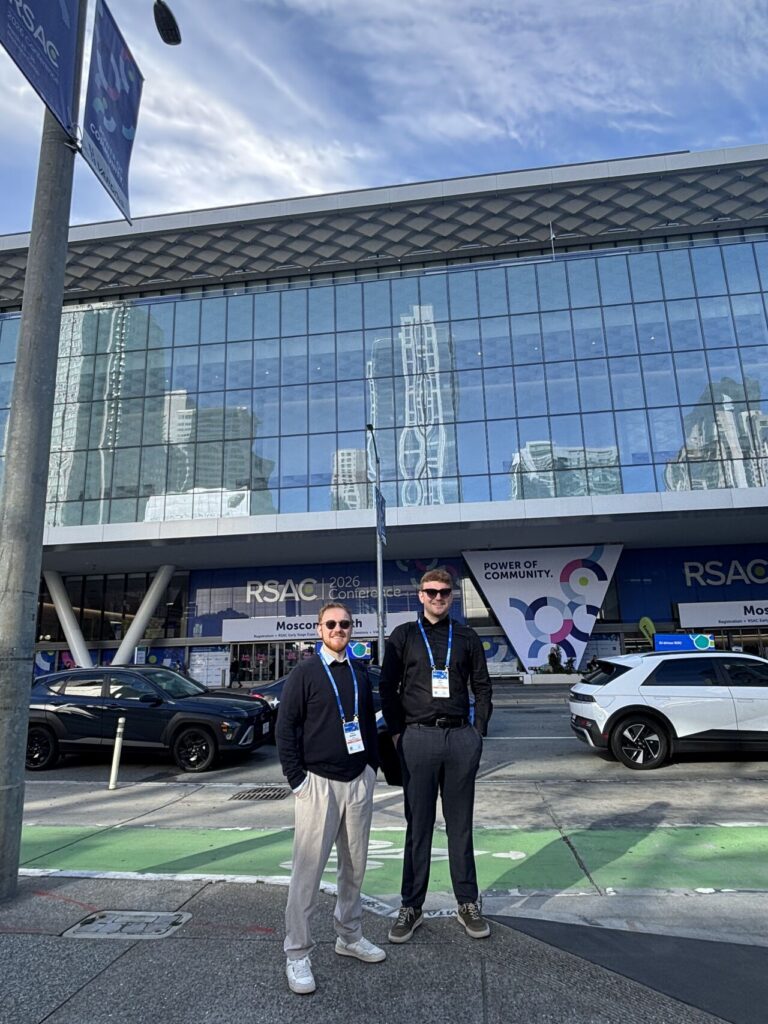
]After speaking with industry leaders on the ground, Harry and Matt from neuco pulled together a few key reflections that are worth sharing.

AI is Reshaping the Hiring Landscape

From a recruitment perspective, AI is having a direct and immediate impact on hiring processes. Candidates are now able to apply for hundreds of roles in a matter of minutes. At the same time, AI tools are helping tailor and enhance CVs at scale.

The result?

  • A sharp increase in application volume
  • More noise in the screening process
  • Greater difficulty identifying genuinely relevant experience

For internal talent teams, this creates a clear challenge: how do you efficiently filter quality from quantity?

The Candidate Experience is Under Pressure

It’s not just employers feeling the strain; candidates are also navigating:

  • Overly complex and lengthy hiring processes
  • Delayed or non-existent feedback
  • Opportunistic or unclear job postings

When processes become bloated, communication suffers. And in a competitive market, that can quickly impact employer brand and candidate engagement.

AI in Cybersecurity: Moving Beyond the Hype

On the product side, the conversation around AI has matured. Rather than simply “using AI”, businesses are now focused on demonstrating tangible value.

For example:

  • AI-powered SOC tools that clearly quantify time saved
  • Solutions that directly link automation to customer outcomes
  • Platforms embedding AI to enhance, not replace, human decision-making

The shift is subtle but important. It’s no longer about having AI. It’s about what it actually delivers.

Talent Demand is Picking Up Again

One of the more positive takeaways from RSA? The hiring market is showing signs of recovery.

Over the past few months, there has been a noticeable uptick in hiring activity, particularly for:

  • Sales professionals on the US West Coast
  • Candidates with federal or public sector clearance
  • Highly specialised commercial roles

While challenges remain, there is a renewed sense of momentum across the market.

What Does This Mean Moving Forward?

If there’s one takeaway from RSA this year, it’s this: AI is accelerating everything – including the challenges.

For businesses, that means:

  • Rethinking hiring processes to manage scale and complexity
  • Being clearer and faster in candidate communication
  • Demonstrating real value in AI-driven solutions

For candidates:

  • Standing out is becoming harder, not easier
  • Authenticity and clarity matter more than ever

Final Thoughts from neuco

Events like RSA are a reminder that while technology evolves quickly, people remain at the centre of it all.

At neuco, we sit right in the middle of that intersection, helping businesses navigate talent challenges in a rapidly changing market.

If you’re hiring, scaling, or simply trying to make sense of where the market is heading, it’s a conversation worth having.

SATShow 2026 – Defence, Multi-Orbit Architectures & New Talent

A Market at an Inflexion Point

SATELLITE 2026 in Washington, D.C., has reinforced what many across the space and satellite ecosystem have been anticipating: the industry has entered a new phase of acceleration, shaped by geopolitical pressure, technological convergence, and the increasing strategic importance of space infrastructure.

Bringing together over 15,000 leaders across commercial, government, and military sectors, SATELLITE 2026 has made one thing clear: SATCOM is no longer a supporting capability; it is now mission-critical infrastructure underpinning global connectivity, security, and defence operations.

Government & Defence

One of the most defining themes across the week has been the central role of government and defence in shaping the satellite market.

What was once considered a parallel market is now firmly at the centre of industry strategy. Investment in secure, resilient, and sovereign satellite communications is accelerating rapidly, with governments increasingly relying on commercial operators to deliver capability at speed.

The concept of space as a contested domain has also taken centre stage. Conversations across GovMilSpace focused heavily on:

  • Space domain awareness
  • Cybersecurity in orbit
  • Intelligence, surveillance and reconnaissance
  • Secure communications for defence operations

Multi-Orbit Architectures Become the Standard

Multi-orbit is no longer a differentiator; it is the baseline. The integration of LEO, MEO, and GEO networks is now central to delivering:

  • Resilient connectivity
  • Lower latency communications
  • Greater global coverage
  • Redundancy across mission-critical networks

Industry leaders are increasingly focused on hybrid architectures that combine the strengths of each orbit, enabling seamless service delivery across commercial and defence use cases.

Sovereignty, Speed & Scalability

Across both commercial and defence discussions, three priorities are consistently emerging:

1. Sovereign Capability

Nations are prioritising control over their satellite infrastructure, accelerating demand for sovereign and dual-use systems.

2. Speed of Deployment

Procurement cycles are shortening, with governments leaning on commercial innovation to deliver capability faster than traditional acquisition models allow.

3. Scalable Infrastructure

Operators are investing in next-generation constellations designed to deliver higher capacity, lower latency, and cost efficiencies at scale.

A clear example of this shift is the growing number of partnerships between established operators and emerging space companies, combining software-defined payloads with high-power satellite platforms to drive performance and flexibility.

The Talent Challenge

While technology continues to evolve at a pace, one constraint remains consistent across every conversation: talent.

Demand for experienced professionals across:

  • Satellite engineering
  • Systems architecture
  • Cybersecurity
  • Government and defence programmes
  • Commercial leadership

Continues to significantly outpace supply.

The reality is clear: the companies that can attract, develop, and retain top talent will be the ones that define the next phase of the space economy.

A Talent Perspective: Hiring for a Converging Industry

From a hiring and talent standpoint, there is a fundamental shift in what organisations need:

  • Cross-domain expertise – professionals who understand both commercial SATCOM and defence requirements
  • Systems-level thinking – engineers and leaders capable of working across multi-orbit architectures
  • Speed and adaptability – talent that can operate in fast-moving, innovation-driven environments
  • Security-first mindset – particularly as cyber and space domain awareness become critical

For organisations looking to scale, the challenge is no longer just hiring talent—it is building teams that can navigate an increasingly complex and converged ecosystem.

Looking Ahead

The overarching theme is not just innovation – it is execution.

The technology is advancing. Investment is accelerating. Demand is clear.

But the organisations that will lead the market are those that can:

  • Translate strategy into operational capability
  • Build the right partnerships across commercial and defence sectors
  • Secure the talent required to deliver at scale

As the space economy continues to evolve, the next 3–5 years will be defined not by who has the best technology, but by who can execute most effectively.

Laurie Scott, Director & Co-founder at neuco at the Satellite SHow DC 2026

About neuco

neuco is a global specialist recruitment partner supporting organisations across the satellite, space & defence, media & sports technology and cyber security sectors. With deep expertise in the space and satcom ecosystem, neuco partners with businesses to secure senior and executive talent across engineering, commercial, and leadership functions.

As the industry continues to converge across commercial and defence domains, neuco works closely with clients to navigate complex hiring challenges, identifying individuals who can deliver across multi-orbit architectures, mission-critical programmes, and rapidly evolving market demands.

With a focus on long-term partnerships and sector expertise, Neuco helps organisations build the teams required to scale, innovate, and lead in the next phase of the global space economy.

The Future of Sports Media Talent

Hiring Trends in a Streaming and Digital-First Industry

Sports media is no longer defined by traditional broadcasting. It has evolved into a global, digital, and streaming-first ecosystem where content, technology, and data are deeply interconnected.

As a result, the biggest shift is not just in how content is delivered, but in the type of talent organisations need to compete.

From neuco’s perspective, this transformation is fundamentally changing hiring strategies across the industry.

From Broadcast Foundations to Digital-First Capability

Traditional broadcast expertise still plays an important role. Production knowledge, live workflows, and content delivery remain critical to the industry.

However, these capabilities now sit alongside a growing demand for digital understanding. Organisations are looking for individuals who can operate across both environments, combining content expertise with an understanding of platforms, infrastructure, and audience behaviour.

This shift has led to a clear rise in demand for hybrid profiles. Talent that can bridge the gap between legacy broadcast and modern streaming ecosystems is becoming increasingly valuable.

The Growing Importance of Technical and Data Skills

As sports media continues to evolve, technology is no longer a supporting function. It is central to how content is distributed, experienced, and monetised.

There is a noticeable increase in demand for skills across cloud infrastructure, SaaS platforms, data analytics, and software development. These capabilities allow organisations to move faster, scale effectively, and better understand their audiences.

At the same time, businesses are not only looking for people who can build these systems, but also those who can apply them commercially. The ability to translate data and technology into revenue and engagement is becoming a defining factor in hiring decisions.

Why Hiring Strategies Need to Change

One of the key challenges facing sports media organisations is that many are still hiring from a relatively narrow talent pool.

Focusing purely on traditional media backgrounds limits access to the skill sets now required. The most forward-thinking companies are expanding their search into adjacent industries, including SaaS, consumer technology, and digital platforms.

This shift requires a different mindset. It is less about direct industry experience and more about transferable capability. Understanding how skills from other sectors can apply to sports media is becoming a competitive advantage.

Working with a specialist partner like neuco can support this process, helping organisations access talent that may not be visible through conventional hiring routes.

A Global and Increasingly Competitive Talent Market

The demand for sports media talent is truly global. The United States continues to lead in innovation and hiring activity, while the Middle East has emerged as a fast-growing region driven by investment and ambitious projects. Europe and APAC remain steady, with ongoing demand as digital transformation continues.

This globalisation creates both opportunity and competition. Organisations are no longer competing solely with direct industry peers, but also with technology companies and global platforms targeting the same talent pools.

Competing with Technology Giants for Talent

One of the most consistent challenges across the market is competition from hyperscalers and large technology firms.

These organisations are attracting the same profiles that sports media companies require, particularly across engineering, data, and product functions. Often, they bring larger budgets and stronger brand recognition, making it difficult to compete on traditional terms.

As a result, hiring success increasingly depends on how well organisations position themselves. The opportunity to work on globally recognised content, shape fan experiences, and influence the future of media can be a powerful differentiator, but it needs to be clearly communicated.

neuco’s Perspective

What is clear is that the future of sports media will be built by individuals who can operate across multiple disciplines.

The most valuable talent will not sit in silos, but will connect technology, content, and commercial outcomes. For organisations, the challenge is knowing where to find these individuals and how to engage them effectively.

At neuco, we work closely with businesses across content and media to navigate this shift. Because in a market defined by change, having the right people in place is what ultimately drives success.

Conclusion

The direction of travel is clear.

Sports media is becoming more digital, more global, and more competitive. The organisations that succeed will be those that rethink how they approach talent, looking beyond traditional profiles and embracing a more flexible, skills-first mindset.

Hybrid talent will define the next phase of growth, and the ability to attract and retain these individuals will be a key differentiator.

For a deeper dive into these trends, watch the full conversation with William Trenchard at neuco and SVG Europe, where we explore these insights in more detail.


neuco is a global recruitment and executive search firm specialising in content and media, helping organisations secure the talent needed to navigate digital transformation and growth.

CV Tips for Senior & Executive Professionals

From the team at neuco

When operating at a senior or executive level, your CV isn’t just a summary of your experience – it’s a strategic document that should reflect your leadership impact, vision, and the measurable value you’ve delivered. At neuco, we regularly support senior-level talent in positioning themselves effectively for global opportunities, and we’ve compiled these high-level recommendations to help refine and elevate your CV.

Prioritise Relevance

At this stage in your career, it’s not about listing everything – it’s about what matters most to the roles you’re targeting. Strip out early-career positions or unrelated part-time work unless they offer significant, transferable value.

Tip: Focus on your last 3-4 roles, ensuring they demonstrate scope, progression, and impact.

Show Your Impact – Tangibly

Data drives decisions. Whether it’s revenue growth, cost-saving initiatives, or successful turnarounds, back your achievements with numbers wherever possible.

For example:
“Led a team of 50+ across three regions, delivering 23% YoY revenue growth.”
“Reduced operational costs by 18% through supply chain restructuring.”

Make Your Contribution Clear

If a team delivered a major initiative, clarify your individual contribution. What role did you play in its success? What decisions did you lead? What roadblocks did you remove?

Recruiters and boards want to understand your unique leadership style and capabilities.

Tailor for Strategic Alignment

Your CV should reflect where you’re going – not just where you’ve been. Tailor it subtly for each opportunity, emphasising alignment with the organisation’s challenges, sector, and objectives.

Particularly if you have a hybrid background, tailor your CV to focus on and highlight the most relevant experience to the opportunity you are applying for.

Structure for Readability

Even the most experienced professionals can benefit from a clean, modern CV layout.

  • Stick to 1–3 pages
  • Use a clear hierarchy: Company | Role | Dates
  • Highlight promotions and internal progression
  • Keep role descriptions short and focus on key tangible achievements
  • Include a short executive summary at the top
  • Avoid over-styled formatting – keep it professional and easy to digest

File Format: PDF only
Hyperlinks: Ensure they work (LinkedIn, portfolio, publications)

Context Is Key

For global or niche-sector experience, offer context.
For example:

  • Was the company pre/post-IPO?
  • Was your division a new launch or a turnaround?
  • Were you leading through M&A, restructuring, or scale-up?

This is especially important when the company is lesser known or has undergone an acquisition or rebranding.

Consider Regional Differences

If applying internationally, be mindful of CV norms:

  • Photos and addresses may be standard in parts of Europe
  • UK/US CVs typically exclude these
  • We’re happy to advise on formatting and expectations by region

Be Honest About Contract Work or Gaps

One of the most common concerns we have from hiring managers is around candidates appearing ‘jumpy’, so where relevant, be sure to add in the context for role changes.

If you’ve held interim or consultancy roles, state this clearly. Similarly, if the company has been acquired, or you left during a transition period, add a line of explanation to avoid assumptions.

Need Help Refining Your CV?

neuco specialises in global executive search across Satellite & NewSpace, Connectivity, Content & Media, and Cyber Security. If you’re considering your next move or want a confidential review of your CV, reach out. We’d be happy to help!

Email us at hello@neuco-group.com

LinkedIn Optimisation Tips

Why it matters:

  • Recruiters find candidates using a mix of keywords, job titles, and location—make sure you show up in the right searches.
  • Hiring managers are increasingly turning to LinkedIn as a key tool to assess experience and credibility.
  • It’s a great way to show your network and experience by showing your who you are connected with in the industries you work.
  • Keeping your profile current helps the right opportunities come to you, faster.
  • Your network, visibility, and profile activity shape your personal brand.

Recruiters find candidates using a combination of keywords, job titles, and location – so it’s important to make sure you’re showing up in the right searches. Hiring managers are also placing increasing value on LinkedIn, often reviewing profiles before CVs to assess credibility and depth of experience. Many will also look at mutual connections within the industry, making your network a powerful way to demonstrate your reach and relevance. Keeping your profile up to date ensures the right opportunities can find you, while your visibility, activity, and network all contribute to shaping your professional brand.

Strengthen Your Profile

Content & Clarity

  • Align your profile with your CV, but be careful around including confidential details depending on your contract.
  • Add your current role and highlight any internal promotions; link them to your company page.
  • Be clear whether roles are permanent or contract.
  • Keep job summaries brief – no more than 150 words – summarising key responsibilities and tangible results (e.g. sales figures, notable clients, growth metrics).
  • Ensure your location is accurate to where you work or can commute – don’t default to your company HQ.

About Section:

  • Keep your summary concise: 3–5 sentences outlining your key strengths, sectors, and standout achievements.
  • Add a personal touch – mention what drives you or what you enjoy outside work.

Keywords & Headline

  • Use keywords relevant to your role and industry, including variations (e.g. IoT and “Internet of Things”).
  • Include alternative spellings (e.g. monetisation / monetization) to maximise search visibility.
  • Your headline should reflect your core skillset or job title (e.g. “Cybersecurity Specialist | SaaS | Pre-Sales Expert”) – keep it short and clear.

Profile Visuals

  • Use a professional, up-to-date profile photo.
  • Add a relevant banner image that reflects your sector or personal brand.

Increase Visibility & Engagement

Activity & Relationships

  • Engage with industry posts, comment thoughtfully, and follow relevant companies.
  • Share insights or articles to show you’re active and knowledgeable in your field.
  • Build your network – connect with peers, leaders, and others in your industry.
  • Ask for introductions and recommendations where appropriate.
  • When connecting with network in the industry, add a note where applicable if you have a personal or mutual connection.

Credibility & Consistency

  • Request recommendations from former colleagues or managers – they add weight to your profile.
  • Ensure your LinkedIn matches your CV – discrepancies can cause concern when reviewed by hiring manager.
  • If your company has gone through a name change or acquisition, make that clear in your experience section.

Creating AI-Enabled Sports Media Experiences 

AI has enabled the sports media sector to give viewers unparalleled access to behind-the-scenes and additional content. On Episode 36 of The Content & Media Matters Podcast, Elliot Renton, the SVP of Asia Pacific at Magnifi, joined us to share his own inside look at what’s happening behind the scenes of the sports media sector. He explained how AI is shaping the future of sports media, as well as sharing his predictions for how Magnifi will be helping to shape that future directly. Read on for more. 

How do you see AI shaping how fans experience sports, both live and digitally? 

I actually think we’re underestimating the role of AI in sports. I think it will penetrate every facet of the industry over time. It’s already impacting fan engagement and how we’re delivering content through the back-end workflows. Stadiums, ticketing, coaching, and players’ wearable technology are all workflows that can link together on top of what we’re doing in broadcast and social media. I think we will be looking back in a decade’s time at the role of AI, and as long as it’s been deployed responsibly and done in the right way, we’ll be looking at looking back at it as a transformative technology, just like the smartphone has been. Some areas are going to be slower than others, and you’re still going to need the human element, but I think as a technology for the sports industry, AI will continue to be very impactful in the future. 

What is Magnifi’s vision for revolutionising how we interact with sports content?

We as a business are about four years old and have grown from India to become a US-India business that’s doing some fantastic revenues. We work with some really great customers, like the IPL in India, some football federations in Europe and broadcasters. Earlier this year, we launched our US operations on a commercial level and are seeing explosive growth in that. The third pillar has been Asia in the last few months. We have to target the APAC market in a very different way because of its fragmented nature. But, technology-wise, we have a vision to provide AI solutions that can deliver content from the field of play to consumers working B2B with different businesses to understand their challenges. And we’re looking at how to venture into other content areas as well. 

In sports, we provide a set of solutions that are more flexible, affordable, and very easy to work with as a technology. What we’re fundamentally doing is asking business leaders, ‘How can you harness this AI-driven revolution and create more meaningful connections with your fans?’ There’s been a lot of talk about personalisation, but how you package that up from platform to platform will vary. So will the way that you harness the data that comes from that. We share data sets with all of our customers, and they can mix that up with their first-party data. 

Sports businesses in general are behind the curve when it comes to harnessing data. This is spoken about at events that we all go to all the time, but I think the opportunities around that are vast, both from a fan engagement point of view and an advertising or sponsorship point of view. We’re challenging business leaders to think about how they will bring technology into the fold, but we’re coming at it in a very flexible and easy manner. We’re asking, ‘How can you deploy that? How can you connect that to your existing thing? What technologies do you have to drive growth?’ That creates really exciting discussions. 

In this part of the world – certainly in APAC, where people are not quite sure what they want to do – we play a bit more of a consultative role. Then we have other customers who are very clear on what they want to do and how they want to deploy technology, and then it’s up to us to try and win that business. So there are some creative things going on in the sports industry, especially in this part of the world as well as in Europe, the UK and the US, where there are some really exciting developments happening too. 

To hear more from Elliot, tune into Episode 36 of The Content & Media Matters Podcast here.

We sit down regularly with some of the biggest names in our industry, we dedicate our podcast to the stories of leaders in the technologies industries that bring us closer together. Follow the link here to see some of our latest episodes and don’t forget to subscribe.