
From Small Satellites to Strategic Infrastructure
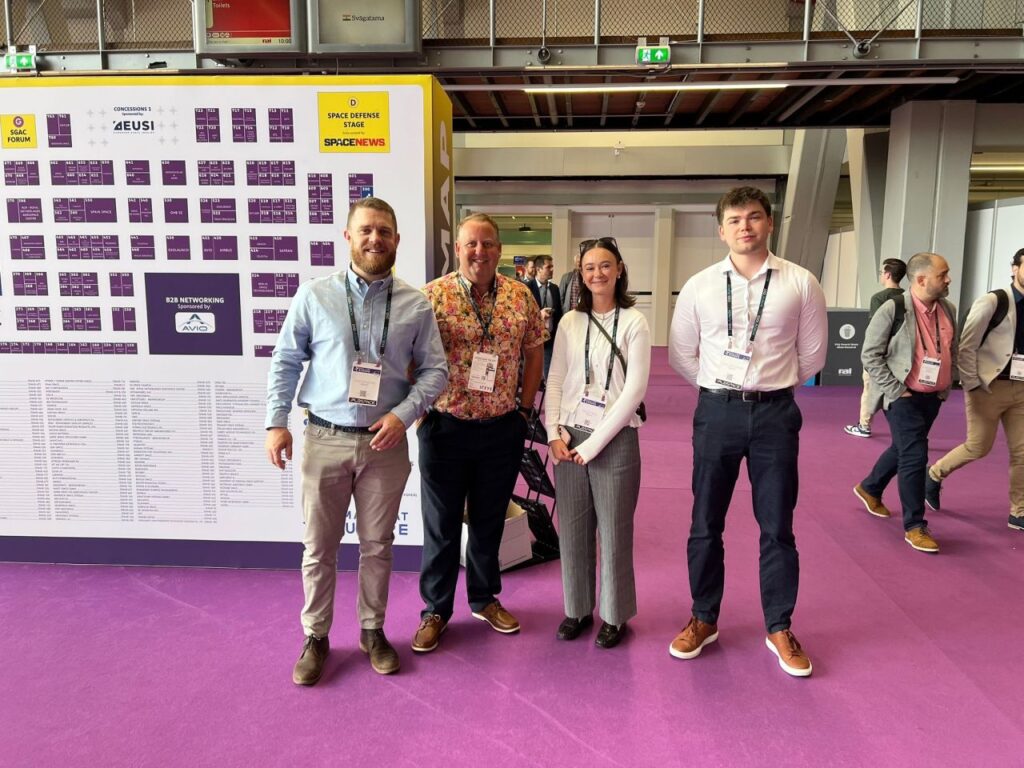
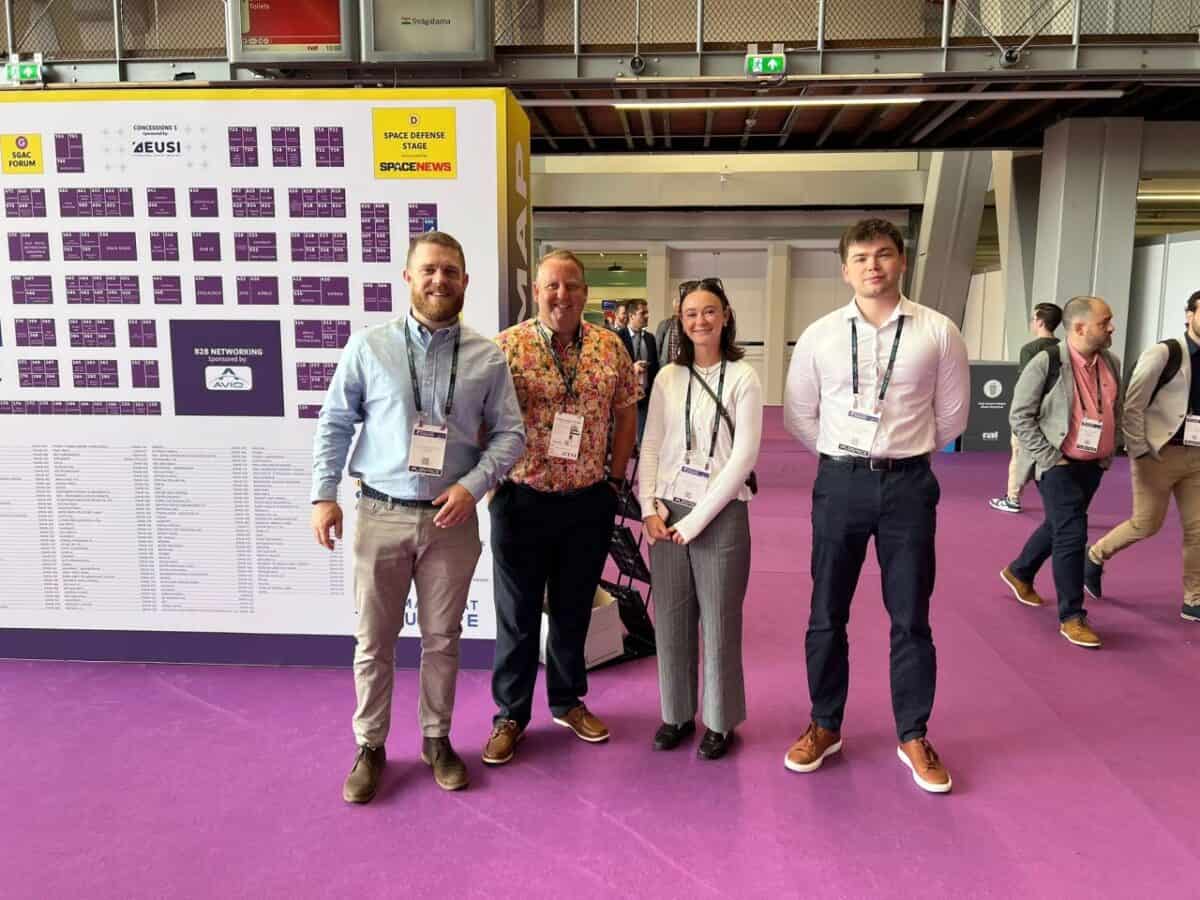
Last week, the neuco team joined more than 2,000 attendees at SmallSat Europe 2026 in Amsterdam.
The event marked the largest edition of SmallSat Europe to date and provided a valuable snapshot of where the European space industry is heading next.
While some of the industry’s largest global events often dominate the headlines, one of the most striking aspects of SmallSat Europe was the quality of the conversations taking place throughout the week.
Perhaps because of its size, the event created an environment where meaningful discussions were easier to have. Whether on the exhibition floor, during networking sessions or in private meetings, the conversations felt focused, practical and forward-looking.
Three Themes Defining the Future of the European Space Sector
1. European Space Sovereignty Is No Longer a Future Discussion
If there was one topic that consistently surfaced across keynotes, panel discussions and private conversations, it was sovereignty.
Across Europe, governments, defence organisations and commercial operators are increasingly focused on developing independent space capabilities that reduce reliance on external infrastructure and strengthen resilience.
The discussion has evolved beyond ambition, and the focus is now on delivery.
Industry leaders broadly agreed that Europe possesses the technical expertise, engineering talent and investment potential required to compete globally. The challenge lies in accelerating procurement processes and shortening the path between innovation and deployment.
Space is now increasingly being viewed as critical infrastructure rather than simply a commercial market.
This shift is creating greater collaboration between:
- Defence organisations
- Satellite operators
- Launch providers
- Government agencies
- Emerging New Space companies
The result is a more interconnected European space ecosystem with shared objectives around security, communications and resilience.
2. Satellite Manufacturing Has Entered the Scale-Up Era
Just a few years ago, many conversations focused on proving technologies and securing initial funding. Today, the conversation has shifted towards manufacturing capacity, scalability and operational readiness.
Across the exhibition floor, companies showcased modular, off-the-shelf solutions designed to accelerate deployment timelines and support growing constellation demand.
The emphasis was clear: how can organisations move faster, at scale, with fewer supply chain constraints?
Examples included companies investing heavily in adaptable satellite platforms and expanding production capabilities to meet future market requirements.
For the broader industry, this represents an important milestone.
The European small satellite market is increasingly moving from concept validation towards repeatable, scalable delivery.
3. Collaboration Remains Europe’s Competitive Advantage
Despite the discussions around defence, sovereignty and manufacturing, one constant stood out throughout the event. Collaboration remains one of Europe’s greatest strengths.
Some of the most valuable conversations happened away from the main stage.
Networking events, informal meetings and discussions between established organisations and emerging businesses highlighted just how connected the European space community has become.
This collaborative approach has historically been one of the defining characteristics of Europe’s New Space sector and continues to be a major driver of innovation.
As the market grows, maintaining that openness will be critical.
The organisations that successfully combine technical excellence with strong partnerships are likely to be the ones that shape the next decade of European space development.
What Does This Mean for the European Space Industry?
For businesses operating across the satellite and New Space ecosystem, several takeaways are becoming increasingly clear.
The next phase of growth will be driven by organisations that can:
- Scale manufacturing efficiently
- Deliver programmes faster
- Navigate defence and sovereign space opportunities
- Build strategic partnerships across the ecosystem
- Attract and retain specialist talent
The conversation is no longer centred on whether Europe can compete.
It is increasingly focused on how quickly Europe can execute.
That shift in mindset may ultimately be one of the most significant developments the industry has seen in recent years.
Looking Ahead to SmallSat Europe 2027
SmallSat Europe is still relatively young compared to some of the industry’s longest-standing global conferences.
However, each year the event continues to grow in both scale and influence.
If this year’s discussions were any indication, the European space industry is entering a period defined less by possibility and more by implementation.
For the neuco team, Amsterdam provided an opportunity to reconnect with clients, candidates and industry partners while gaining valuable insight into the priorities shaping the market.
Most importantly, it reinforced a sense of momentum.
The conversations were valuable, the energy was positive and the direction of travel for Europe’s space sector feels increasingly clear.
We look forward to seeing how both the industry and SmallSat Europe continue to evolve over the coming year.
About neuco
neuco is a global recruitment and executive search partner specialising in Satellite, Space & Defence, Cyber Security, and Media & Sports Technology. Working with innovative organisations across Europe, North America and beyond, we help businesses secure the talent needed to scale, innovate and deliver on their strategic ambitions.
From emerging New Space companies to established satellite operators, our focus is on connecting exceptional people with the organisations shaping the future of technology and communications.