

January 23, 2026
Navigating Interviews: A Consultative Guide for Senior and Executive Candidates
Interviewing at a senior or executive level demands more than just a polished CV and a few good stories. It’s an opportunity to showcase your strategic thinking, leadership mindset, and cultural fit. Whether you’re engaging with a fast-growth scale-up or an established global brand, approaching interviews with a consultative, considered mindset can significantly enhance your impact.
Here’s how to approach each stage thoughtfully:
First-Stage Interview: Setting the Tone
The first conversation often sets the direction of the entire process. Think of it as a two-way briefing, your chance to understand the business challenge behind the hire, and for the company to get a sense of your value alignment.
What to Expect:
- High-level overview of the role
- Questions about your career path and leadership style
- An introduction to the organisation’s goals
- A chance for you to ask well-considered questions
Your Approach:
- Focus on pull factors, why you’re excited by the company and role—not simply reasons for leaving your current position.
- Be ready to articulate your leadership impact, not just your responsibilities.
Ask Questions That Spark Dialogue:
- “How does this role tie into the wider business strategy?”
- “What qualities have made previous hires in this function successful?”
- “I noticed [X] in your recent press release/investor report – how does this influence the priorities for this role?”
Avoid jumping straight to questions about compensation – there will be time for that.
Second & Subsequent Interviews: Demonstrating Depth
At this point, you’re being assessed for depth, fit, and delivery capability.
Expect:
- Behavioural and competency-based questions
- Situational challenges (e.g., “How would you handle…”)
- Interviews with multiple stakeholders, including potential peers and execs
Preparation Tips:
- Brush up on the STAR technique (Situation, Task, Action, Result). It’s simple but powerful.
- Prepare to articulate strategic decisions, not just operational tasks.
- Reflect on recent challenges and what you learned – executive-level hires are expected to be self-aware and resilient.
Panel Interviews: Making a Collective Impression
Meeting with a panel, especially at board or leadership level, can feel intense, but it’s also an opportunity to influence across the business.
Best Practice:
- Research each interviewer’s background. What are their remits? How does your role impact theirs?
- Engage everyone. Make eye contact with each member when responding.
- Stay concise; these interviews often run to tight schedules.
Demonstrate strategic alignment: “In my first conversation with [Hiring Manager], they mentioned a shift towards [X]. How is your team preparing for that transition?”
Post-Interview: Keep the Conversation Going
Follow-up is more than good manners – it’s part of your personal brand.
Your follow-up email should:
- Thank them for their time
- Reflect on a part of the conversation that stood out
- Reaffirm your interest in the role
Example:
“Thank you again for today’s conversation. It was particularly interesting to hear how the business is positioning itself for Series C funding. I’d be excited to contribute to that journey given my experience in scaling revenue operations through investment cycles.”
Also, reflect privately on what you’ve learnt – this helps shape future questions and shows consistency across interviews.
Work With Your Recruiter
At neuco, our role goes beyond arranging interviews. After each conversation, let us know:
- What impressed you
- Any hesitations you might have
- Points that need clarification
This enables us to better support you, whether that’s reinforcing your fit with the client or helping ensure your concerns are addressed early.
Final Thought
Approaching interviews at this level isn’t just about impressing, it’s about aligning. The best interviews feel like the early stages of a partnership, not an interrogation. If you prepare thoughtfully, ask meaningful questions, and approach each stage as a strategic dialogue, you’ll not only stand out, you’ll find the right fit.
If you’re preparing for your next opportunity or just want to understand the landscape better, we’d be happy to offer some advice.


RSAC 2026: AI, Hiring Challenges & Cybersecurity Talent
 Author: Charlotte Smith
The RSA Conference 2026 once again brought together some of the brightest minds in cybersecurity. And while the conversations spanned everything from product innovation to go-to-market strategy, one theme dominated across the board: AI is no longer emerging. It’s embedded. ]After speaking with industry leaders on the ground, Harry and Matt from neuco pulled together […]
More information
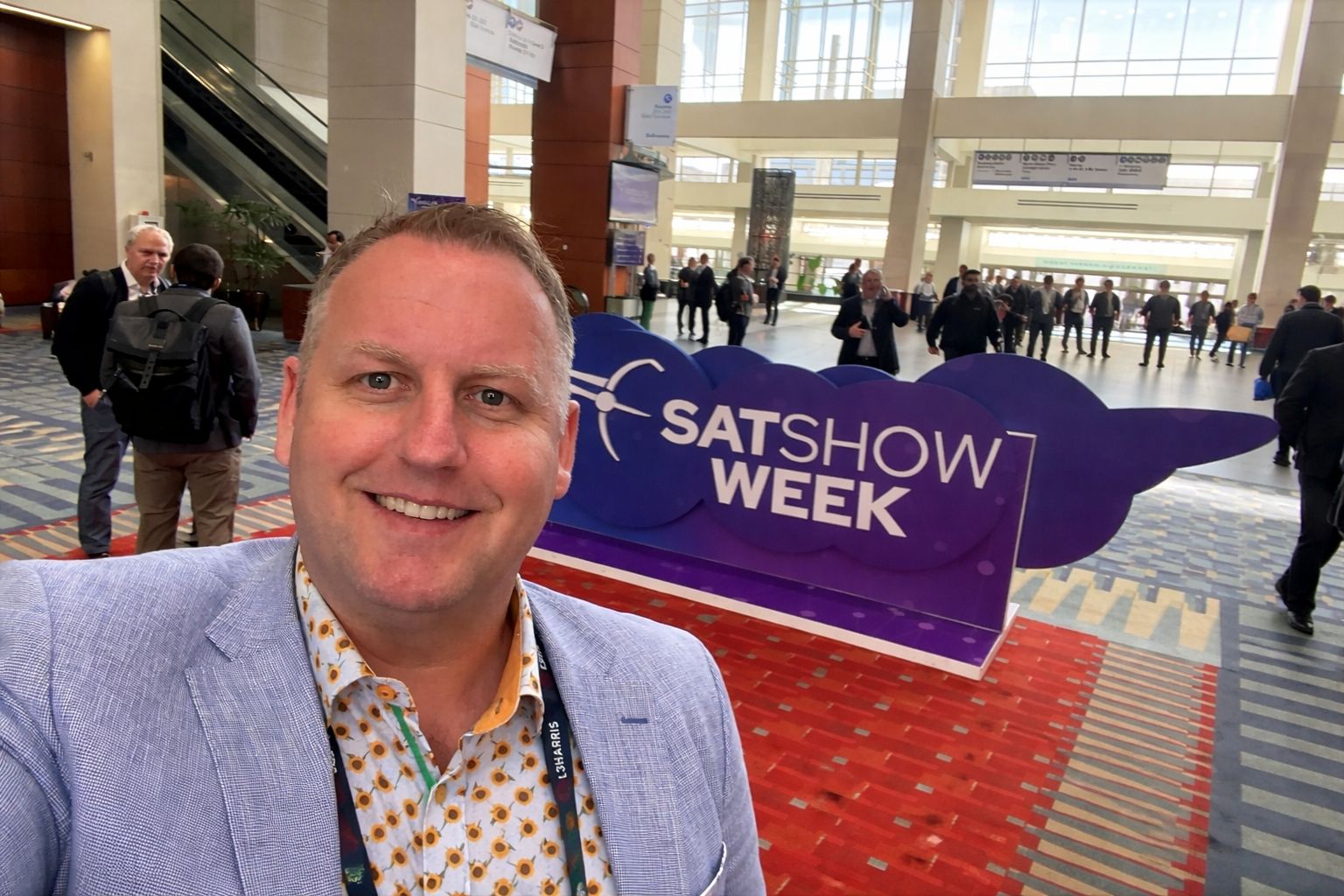
SATShow 2026 – Defence, Multi-Orbit Architectures & New Talent
Author: Charlotte Smith
A Market at an Inflexion Point SATELLITE 2026 in Washington, D.C., has reinforced what many across the space and satellite ecosystem have been anticipating: the industry has entered a new phase of acceleration, shaped by geopolitical pressure, technological convergence, and the increasing strategic importance of space infrastructure. Bringing together over 15,000 leaders across commercial, government, […]
More information